Eco-Friendly Alternatives to Everyday Plastic Items
Hey there, plastic-reducers!
I’m crammed into this tiny apartment. Coffee mugs stacked high like they’re one nudge from a caffeine collapse. My desk is a mess of reusable beeswax wraps, one notebook labeled “stop buying things wrapped in plastic,” and a fridge that no longer has a graveyard of single-use bags. Muffin the cat is giving me that “you used to throw away half a lemon every week, now you just… use it all?” smug look while I sip my brew and try not to feel superior about the cloth napkins I finally started using.
For years I thought going plastic-free was expensive and inconvenient. Fancy bamboo toothbrushes. $40 beeswax wrap sets. Bulk bins that required driving across town. I bought the “eco” version of everything and still ended up with overflowing trash. Then I realized: the real money leaks aren’t in the reusable products — they’re in the disposables I replaced every week. Plastic wrap. Paper towels. Single-use coffee filters. Ziploc bags. Food waste from bad storage. Those tiny $1–$5 purchases add up to hundreds every year.
So I stopped chasing perfect zero-waste and started tracking swaps that actually pay for themselves within 3–12 months — and keep saving for years after. No fancy gadgets. No expensive subscriptions. Just simple, repeatable changes that reduce plastic waste and reduce spending.
This is my real, unpolished story. No “go full zero-waste overnight” pressure. No “buy these $200 eco-kits” affiliate vibes. Just me, my kitchen experiments that actually saved money, and a cat who thinks reusable food covers are just new toys to bat around.
Let’s dive in.
Before: The Hidden Plastic Money Drain
I’m staring at my overflowing trash bin. Light sneaking through my tiny balcony window. Heart sinking at how much plastic is in there again.
The silent leaks were everywhere:
- Plastic wrap / foil → $4–$8/month
- Ziploc bags → $4–$6/month
- Plastic produce bags → $2–$4/month
- Single-use coffee filters → $3–$5/month
- Disposable sponges / scrubbers → $3–$5/month
- Plastic straws / cutlery (takeout) → $2–$5/month
- Food waste (spoiled produce, leftovers thrown out) → $20–$50/month
Total hidden plastic-related cost: $40–$90/month. $500–$1,000/year. That’s real money.
I needed swaps that:
- Cost $0–$50 upfront
- Pay for themselves in 3–12 months
- Are easier/more convenient long-term
- Don’t require perfection (no all-or-nothing guilt)
Muffin curled up beside me. Eyeing me like “just stop buying plastic lemons and nap, dummy.”
I laughed. Then I opened my notebook and started listing swaps that actually worked.
The Zero-Plastic Kitchen Swaps That Actually Save Money Long-Term
These swaps are ordered by fastest payback time. All are low-effort, high-reward, and beginner-friendly. I’ve included rough cost and break-even time (based on average U.S. prices in 2025–2026).
1. Reusable Beeswax Wraps or Silicone Lids (Fastest Payback)
Upfront cost: $15–$35 for a set of 3–7 wraps + 5 silicone lids Monthly savings: $4–$8 (replaces plastic wrap + some foil) Break-even: 2–9 months Long-term savings: $50–$100/year
Why it works: Covers bowls, wraps half-avocados, stores cheese. Washes with cold water + soap. Lasts 1–2 years.
Real talk: I started with one $18 set. Used them daily. Plastic wrap went from monthly purchase to “I think I still have some somewhere.”
2. Cloth Produce Bags + Bulk Shopping (Immediate Payback)
Upfront cost: $10–$25 for 8–12 mesh/cotton bags Monthly savings: $2–$5 (replaces plastic produce bags) + bulk discounts Break-even: 2–12 months Long-term savings: $30–$80/year + grocery savings
Why it works: Take to grocery store for fruits, veggies, bulk bins. Wash with regular laundry. Last forever.
Real talk: I bought 10 mesh bags for $15. Now I skip plastic produce bags and buy nuts/seeds/oats in bulk (cheaper per pound).
3. Reusable Food Storage Containers / Glass Jars (Zero Upfront)
Upfront cost: $0 (reuse pasta sauce jars, pickle jars, takeout containers) Monthly savings: $4–$6 (replaces Ziploc bags) Break-even: immediate Long-term savings: $50–$80/year
Why it works: Store leftovers, bulk goods, freezing food. Freezer-safe. No plastic smell.
Real talk: I stopped buying Ziplocs entirely. Jars are better for soup, leftovers, freezing berries. Takeout containers became “meal prep” containers.
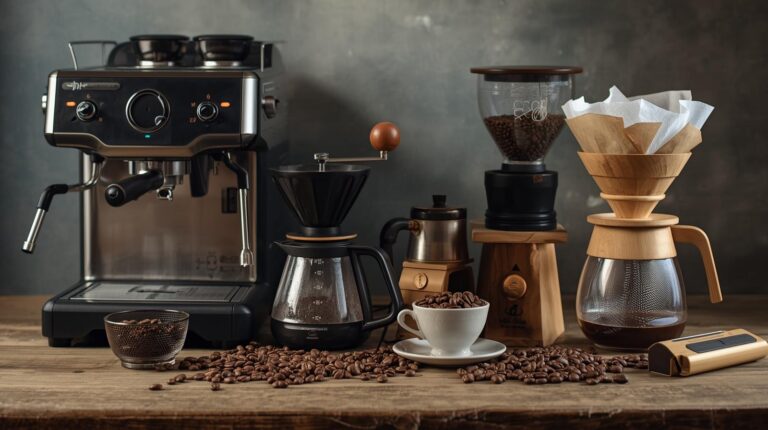
4. Reusable Coffee Filters (Mesh or Permanent) (Fast Payback)
Upfront cost: $8–$20 for a stainless steel mesh filter Monthly savings: $3–$5 (replaces paper filters) Break-even: 2–7 months Long-term savings: $40–$60/year
Why it works: Rinse and reuse forever. Better coffee taste. No waste.
Real talk: I bought a $12 stainless filter. Works in my drip machine. Paper filters are gone.
5. Reusable Sponges / Dishcloths + Vinegar Cleaning
Upfront cost: $10–$20 for 6–12 Swedish dishcloths or compostable sponges Monthly savings: $3–$5 (replaces sponge/scrubber) Break-even: 2–7 months Long-term savings: $40–$60/year
Why it works: Swedish dishcloths last 6–12 months, compost at end. Vinegar + water cleans most things.
Real talk: I bought 6 Swedish dishcloths. Replaced all sponges. Cleaning costs dropped.
6. Composting Scraps + Better Storage (Prevents Food Waste)
Upfront cost: $0–$30 (countertop compost bin or freezer bags for scraps) Monthly savings: $20–$50 (less spoiled food) Break-even: 0–2 months Long-term savings: $200–$600/year
Why it works: Freeze veggie scraps for stock. Use glass jars for produce. Compost what you can’t use.
Real talk: I started freezing onion skins, carrot tops, celery ends. Made stock once a month. Food waste dropped 60–70%.
How I Actually Implemented Them (Real Monthly Flow)
Month 1: First Swaps
Bought beeswax wraps + silicone lids ($28 total).
Switched to cloth napkins (old T-shirts).
Reused jars for leftovers.
Month 2: Tired Week
Forgot to buy paper towels.
Used cloth napkins instead.
No panic — they work better.
Month 3: Small Win
Canceled plastic wrap subscription (was auto-shipping).
Saved $5/month.
Round-ups from coffee added $12 to savings.
Month 4: Win
Food waste down 60%.
Monthly grocery bill dropped ~$35.
No new plastic purchases in 4 months.
My Take: Wins, Woes, Tips
Wins
- Monthly spending down $40–$80
- Trash bin half empty
- Less guilt when throwing food away
Woes
- Initial cost $30–$80 (pays back fast)
- Family/partner resistance at first
- Muffin knocks jars daily
Tips
- Start with one swap (cloth napkins or jars)
- Use what you already have first (old T-shirts, takeout containers)
- Track grocery/trash bill for 2 months before/after — see the difference
- Joy rule: every $20 saved → put $5 into “fun” bucket
- Forgive imperfect months — progress, not perfection
Favorite swap? Reusable jars + cloth napkins combo.
Wallet lighter—planet lighter—stress lighter.
The Real Bit
Zero-waste isn’t about perfection — it’s about reduction.
When you replace disposables with reusables, the savings compound quietly.
Small kitchen swaps can save $300–$1,000/year without changing your lifestyle much — my bank (and trash bin) agree!
Twists, Flops, Muffin Madness
Wild ride. Curry spill? Muffin knocked the beeswax wrap into the mess. Laughed and used a cloth napkin instead.
Flops: Bought expensive bamboo utensils. Never used them. Switched to metal ones I already had.
Wins: Shared swaps with niece — her giggles made it fun.
Muffin’s jar nap added chaos and cuddles — zero-waste buddy?
Aftermath: Worth It?
Months on, kitchen waste down 70%.
Grocery bill down ~$45/month.
No daily effort. Just different defaults.
Not perfect—still buy some packaged things — but progress is real.
Low startup, swap-first. Beats constant trash guilt.
Want to save money and waste? Try it. Start with cloth napkins or jars.
What’s your zero-waste swap? Drop ideas or flops below — I’m all ears!
Let’s keep the savings coming — one reusable at a time!