Most Common Zero-Waste Kitchen Mistakes Beginners Make
Hey there, well-intentioned beginners!
I’m crammed into this tiny apartment. Coffee mugs stacked high like they’re one nudge from a caffeine collapse. My desk is a mess of half-used reusable beeswax wraps, one notebook labeled “lessons learned the hard way,” and a trash bin that used to overflow with “eco” packaging I bought in excitement. Muffin the cat is giving me that “you used to buy $80 worth of bamboo everything and still had a full bin, now you know better?” smug-but-loving stare while I sip my brew and try not to cringe at how many mistakes I made in the first six months.
If you’re just starting your zero-waste kitchen journey, congratulations — you’re already ahead of most people. But here’s the truth nobody posts on Instagram: the first few months are full of expensive, frustrating, and totally avoidable mistakes. I made almost all of them. The good news? Once you know what they are, you can skip the pain and get to the calm, low-waste kitchen faster (and cheaper).
Here are the most common zero-waste kitchen mistakes beginners make — ranked by how often I see them (and how often I did them myself).
1. Buying the “Perfect” Zero-Waste Starter Kit All at Once
The mistake: Spending $80–$200 on a beautiful matching set of bamboo utensils, stainless containers, beeswax wraps, silicone lids, produce bags, and soap bars before you even know what you actually need.
Why it backfires:
- You buy things you never use (e.g., 12 bamboo straws when you rarely drink through straws)
- You overwhelm your tiny kitchen with stuff that doesn’t fit
- You feel guilty when half of it sits unused
Real talk: My first “kit” cost $120. Six months later, I donated 60% of it. I now use only 4–5 items daily — the rest was hype.
Fix: Start with one or two swaps that solve your biggest pain point (usually produce bags or cling film). Add slowly as you discover what you actually need.
2. Expecting Perfection on Day One
The mistake: Trying to go 100% zero-waste overnight — then burning out when you inevitably buy a plastic-wrapped cucumber or forget bags at the store.
Why it backfires:
- All-or-nothing mindset leads to guilt → quitting
- You miss the joy of small progress
- You waste money buying “perfect” replacements too fast
Real talk: I cried (quietly) the first time I forgot my bags and took plastic ones. Then I realized: progress is 70% reduction, not 100%.
Fix: Aim for 70–80% reduction in the first 3 months. Celebrate every week the bin is lighter. Perfection comes (if ever) after years.
3. Ignoring Food Waste (The Biggest Hidden Trash Source)
The mistake: Focusing only on packaging while letting produce spoil, leftovers go bad, or overbuying “just in case.”
Why it backfires:
- Food waste is 20–40% of kitchen trash by weight
- You spend more on groceries to replace spoiled items
- You feel like a failure despite “being zero-waste”
Real talk: My trash looked “eco” but was still half full of spoiled veggies. Once I started freezing scraps and planning meals, my bin dropped another 30%.
Fix: Spend 10 minutes on Sunday prepping (chop veggies, freeze overripe fruit, portion leftovers). Track food waste for 2 weeks — the numbers will shock you.
4. Buying Expensive “Eco” Versions of Things You Already Own
The mistake: Replacing perfectly good plastic/metal/wood items with “sustainable” versions that aren’t better or longer-lasting.
Why it backfires:
- Unnecessary spending ($50 bamboo board vs your $8 wooden one)
- You create more waste replacing functional items
- You delay real progress on actual trash sources
Real talk: I almost bought a $45 “eco” cutting board. Then I looked at my 10-year-old wooden one — still perfect. Saved $45 and prevented waste.
Fix: Use what you have until it breaks. Only replace when necessary, then choose durable (cast-iron, stainless, glass).
5. Not Starting with the Highest-Impact, Lowest-Effort Swaps
The mistake: Starting with hard/expensive things (composting system, bulk spice jars) instead of easy wins (mesh bags, reused jars).
Why it backfires:
- You get discouraged fast
- You spend money on things you abandon
- You miss the quick motivation of visible trash reduction
Real talk: I wasted $35 on fancy bulk jars before I even had mesh bags. Once I started with bags + reused jars, trash dropped 50% in 2 weeks — motivation exploded.
Fix: Prioritize:
- Mesh produce bags
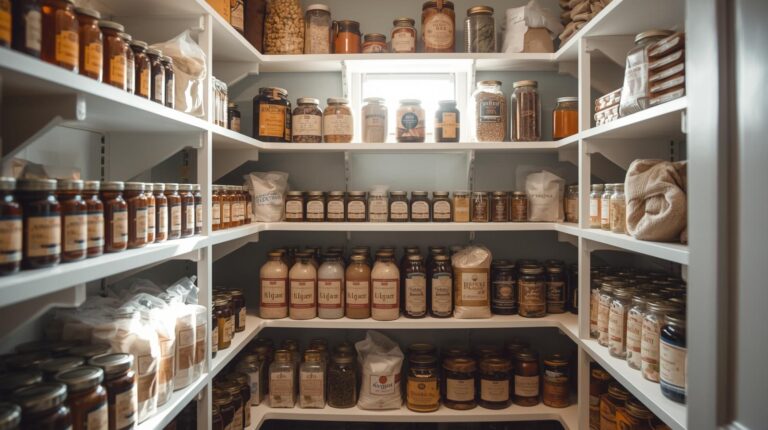
- Reused glass jars
- Swedish dishcloths
- Silicone lids/beeswax
- Everything else later
6. Forgetting the “Joy Jar” & Burnout Rule
The mistake: Treating zero-waste like punishment — no treats, no flexibility, all guilt.
Why it backfires:
- You burn out in 1–3 months
- You associate eco living with deprivation
- You quit
Real talk: I almost gave up after month 2 because everything felt restrictive. Then I started the Joy Jar: every $20 saved → $5 into “fun” (coffee, movie, new plant). It kept me going.
Fix: Celebrate every small win. Allow imperfections. Make it joyful.
Quick Beginner Roadmap (Under $50 Startup)
Month 1 (Free/Almost Free)
- Reuse jars + old T-shirts for rags
- Start “one-bin challenge” (empty weekly)
- Use mental “naked or bulk” list at store
Month 2 ($20–$30)
- Buy mesh produce bags
- Add Swedish dishcloths
Month 3 ($15–$30)
- Add silicone lids or beeswax wraps
- Start Sunday 10-min prep
Expected results after 3 months
- Trash down 60–80%
- Monthly grocery/cleaning spend down $30–$80
- No daily extra effort — just new habits
My Take: Wins, Woes, Tips
Wins
- Trash bin half-empty most weeks
- Grocery bill down ~$40–$70/month
- Less “I forgot to buy X” stress
Woes
- Initial overwhelm (start with one thing!)
- Remembering bags at first (keep by door)
- Muffin knocks jars daily
Tips
- Start with one swap (mesh bags or jars)
- Use what you already have first
- Track trash + grocery bill 2 months before/after
- Joy rule: $20 saved → $5 into “fun”
- Forgive messy weeks — progress, not perfection
Favorite beginner swap? Mesh produce bags — highest impact, lowest cost, easiest habit.
Wallet lighter — planet lighter — kitchen calmer.
The Real Bit
You don’t need money to start reducing kitchen trash.
When you focus on the biggest waste sources with the cheapest or free fixes, the savings and trash reduction compound quietly every week.
Beginner swaps can realistically save $300–$1,000/year without major lifestyle change — my bank account (and trash bin) both prove it.
Twists, Flops, Muffin Madness
Wild ride. Curry spill? Muffin knocked the mesh bag into the mess. Laughed and used a reused jar instead — backups save the day!
Flops: Bought expensive “designer” produce bags first. Switched to cheap mesh — same job, half the price.
Wins: Shared the mesh-bag habit with my niece — she now brags about “saving the planet one orange at a time.”
Muffin’s jar nap added chaos and cuddles — zero-waste buddy?
Aftermath: Worth It?
Months on, kitchen waste down ~70%. Grocery bill down ~$45/month. No daily extra effort. Just different defaults that became automatic.
Not perfect — still buy some packaged things — but progress is real and sustainable.
Low startup cost, swap-first approach. Beats the guilt of overflowing bins.
Want to start a zero-waste kitchen on a budget? Try it. Begin with mesh produce bags or reused glass jars.
What’s the first swap you’re going to try? Or which mistake surprised you most? Drop your thoughts below — I’m all ears!
Let’s keep the savings (and the planet) coming — one affordable swap at a time!