Thrifted Fashion Mistakes Beginners Make
Hey there, thrift-curious newbies!
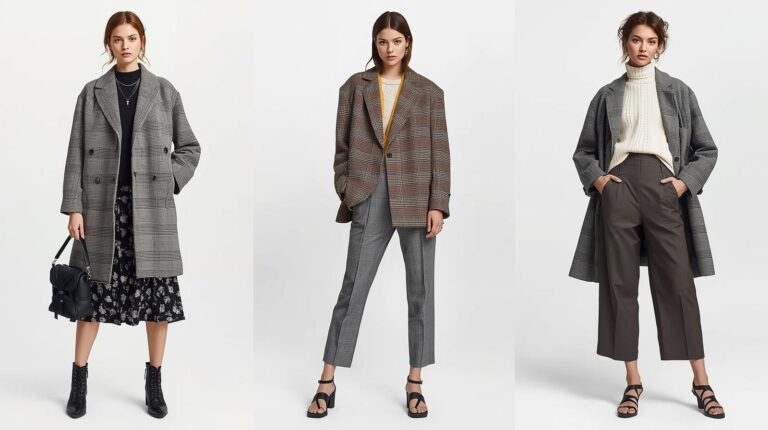
I’m crammed into this tiny apartment. Coffee mugs stacked high like they’re one nudge from a caffeine collapse. My desk is a mess of second-hand blazers and a couple of shirts I almost donated, one notebook labeled “lessons from my worst thrift buys,” and a wardrobe that used to be a chaotic mix of “looked good in the photo” regrets.
Muffin the cat is giving me that “you used to buy every shiny thing that popped up on Vinted, now you just… know exactly what to skip?” smug-but-forgiving stare while I sip my brew and try not to relive the time I spent €45 on a “vintage” blazer that turned out to be 80% polyester.
Thrift shopping is incredible — until you make the same rookie mistakes most beginners do. Here are the biggest ones I personally fell for (and the ones I still see friends make every week).
1. Buying for the Label, Not the Fit
The classic trap: You spot “COS,” “Zara,” “Armani,” or “& Other Stories” in the title and hit “buy now” without checking measurements.
Why it hurts Vintage and second-hand sizing is wildly inconsistent — even from the same brand. That “M” blazer might fit a 1990s runway model, not your 2026 shoulders.
Quick fix Always ask for exact measurements:
- Chest
- Shoulders
- Sleeve length
- Total length
- Waist (trousers)
- Inseam
Real talk I bought a “vintage Armani” blazer because of the name. Shoulders were massive — looked like I was wearing a cape. Now it’s a dust collector. Measure first, always.
2. Ignoring Fabric Composition (The “It Looked Cute Online” Regret)
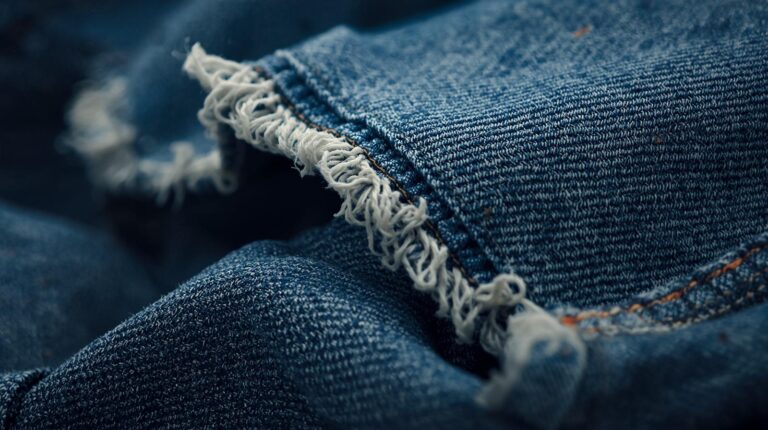
You see a beautiful photo, buy it, then it arrives and it’s 100% polyester that pills, traps sweat, and smells after one wear.
Why it hurts Synthetic fabrics age poorly — pilling, static, bad odors. Natural fibers (wool, cotton, silk, cashmere) last decades.
Quick fix Check the tag (zoom in on photos). Prioritize: wool, cotton, silk, linen, cashmere. Avoid anything with >50% polyester/acrylic/rayon (unless it’s a rare vintage gem).
Real talk I used to ignore tags. Bought a “designer” shirt — 70% polyester. Pilled in weeks. Now I skip anything synthetic unless it’s exceptional.
3. Skipping the Smell & Stain Check
You buy sight-unseen, it arrives smelling like cigarette smoke, mothballs, or someone’s old attic — and the smell never comes out.
Why it hurts Smoke and strong odors are almost impossible to remove completely.
Quick fix
- Always ask: “Smoke-free? Pet-free? Any odors or stains?”
- Request close-up photos of inside collar, armpits, hem
- If it arrives smelly: vinegar soak (1 cup vinegar + cold water) + sun dry (UV kills bacteria)
Real talk I once bought a cashmere sweater that smelled like an ashtray. Soaked it for days — still smelled. Lesson: always ask before buying.
4. Buying Too Much Too Fast (The Overwhelmed Closet)
You get excited, buy 10 pieces in one week, then realize half don’t fit your style, size, or current wardrobe.
Why it hurts Cluttered closet = decision fatigue. You end up wearing the same 3 pieces anyway.
Quick fix Follow the “one in, one out” rule. Buy only what fills a real gap (e.g., “I need a navy blazer”). Wait 30 days before buying — most impulses fade.
Real talk My first big spree: 8 blazers. Wore 2. Donated 6. Now I buy 1–2 quality pieces per month max.
5. Not Knowing How to Care for Vintage Pieces
You buy beautiful wool or silk, then wash it like fast fashion — it shrinks, felts, or fades.
Why it hurts Vintage fabrics are often delicate. Wrong care = ruined investment.
Quick fix
- Wool/cashmere: dry clean or hand wash cold with wool detergent
- Cotton: cold wash, air dry
- Silk: hand wash or dry clean
- Always spot-test first
- Invest in cedar blocks/moth repellent
Real talk I ruined a vintage silk blouse by machine-washing. Now everything delicate gets hand-washed. Lesson cost me €35 — worth it.
Quick Beginner Mistake Summary
| Mistake | Why It Sucks | Fast Fix |
|---|---|---|
| Buying for label not fit | Wasted money on unwearable pieces | Always check measurements |
| Ignoring fabric quality | Pills, smells, falls apart fast | Prioritize natural fibers |
| Skipping smell/stain check | Hard to remove later | Ask seller, inspect photos |
| Buying too much too fast | Overwhelmed closet | One in, one out + 30-day rule |
| Wrong care for vintage | Ruins beautiful pieces | Learn proper washing/dry cleaning |
My Take: Wins, Woes, Tips
Wins Clothing spend down 70–80% Better quality that lasts years Unique style that stands out
Woes Takes practice (start small) Occasional bad buys (minimize with checklist) Muffin knocks hangers daily
Tips Start with wool blazer or white button-down — biggest impact Prioritize natural fibers — they last forever Search keywords: “wool blazer,” “oxford shirt,” “tailored trousers” Offer lower prices — sellers usually accept Joy rule: every €50 saved → €10 into “treat” fund Forgive bad buys — progress, not perfection
Favorite thrifting lesson? Always ask for measurements — saved me €200+ in mistakes.
Wallet lighter — planet lighter — wardrobe sharper.
The Real Bit
Thrifted fashion isn’t gambling — it’s a skill.
Master these checks (fabric, fit, condition, seller), and you’ll build a timeless, professional wardrobe for a fraction of retail — while keeping perfectly good clothes out of landfills.
These habits can realistically save €300–€800/year on clothing while looking more polished than fast-fashion — my bank account (and closet) both prove it.
Twists, Flops, Muffin Madness
Wild ride. Blazer arrived with a mystery stain? Muffin knocked the vinegar bottle — we spot-cleaned together. Still my favorite jacket.
Flops: Bought “vintage” Zara blazer that fell apart in 3 months. Lesson: prioritize natural fibers.
Wins: Shared thrifting checklist with my sister — she now has a killer work wardrobe for €120 total.
Muffin’s hanger nap added chaos and cuddles — thrifting buddy?
Aftermath: Worth It?
Months on, fast-fashion is rare. Monthly clothing spend down ~€50–€100. No daily extra effort. Just smarter shopping that became automatic.
Not perfect — still buy new sometimes — but progress is real and sustainable.
Low startup cost, quality-first approach. Beats the guilt of fast-fashion hauls and overflowing trash.
Want to master thrifted fashion? Try it. Start with Vinted or ThredUp and use the checklist every time.
What’s your biggest thrifting mistake? Or your best vintage find? Drop your stories below — I’m all ears!
Let’s keep the wardrobe timeless — and the wallets happy — one second-hand blazer at a time!