Eco-Friendly Dishwashing Products That Actually Work
Hey there, dish-scrubbing realists!
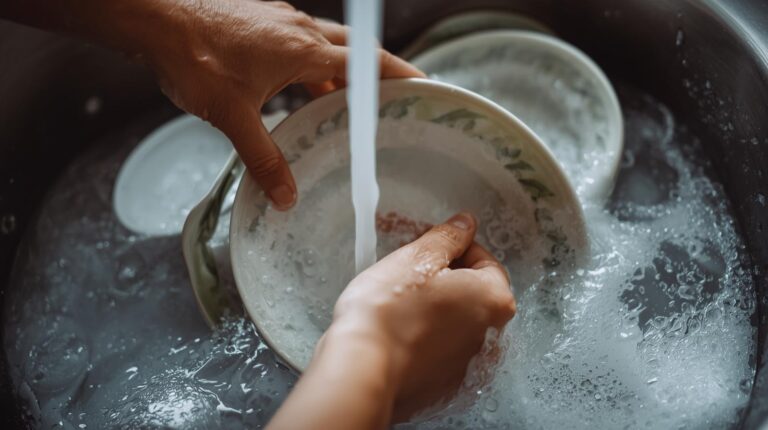
I’m crammed into this tiny apartment. Coffee mugs stacked high like they’re one nudge from a caffeine collapse. My sink is a war zone of yesterday’s curry plates, one notebook labeled “stop buying plastic sponges every two weeks,” and a drying rack that no longer looks like a graveyard of single-use scrubbers. Muffin the cat is giving me that “you used to throw away a sponge every month and still had greasy pans, now you just… rinse a cloth?” smug-but-genuinely-impressed stare while I sip my brew and try not to feel like an eco-saint just because my trash bin has zero dish-related plastic this week.
For years I thought “eco-friendly dishwashing” meant spending $15 on a bamboo-handled brush that fell apart in three weeks, or $25 on soap bars that dissolved into mush. I kept going back to the cheap plastic sponge packs because “they actually worked.” Then I realized: the real cost isn’t just the $3 pack — it’s the 12–15 sponges I threw away every year, plus the guilt, plus the microplastics going down the drain.
So I stopped chasing “green” branding and started testing what actually cleans well, lasts long, and doesn’t cost a fortune long-term. These are the products that survived the real-kitchen reality check — they work as well as (or better than) disposables, pay for themselves fast, and keep my sink and conscience cleaner.
Let’s get into the ones worth your money (and time).
1. Swedish Dishcloths (The Absolute MVP – Number One Recommendation)
What they are Super-absorbent, thin, cloth-like sheets made from ~70% cellulose + ~30% cotton/poly blend. Look like colorful paper towels but are reusable.
Upfront cost $15–$30 for a pack of 6–12 (Amazon, Etsy, local eco shops)
What they replace Paper towels + disposable sponges
How long they last 6–12 months each (100–300 washes), then compostable
Weekly trash reduction ≈ 0.5–1 roll paper towels + 1–2 sponges
Break-even time 2–6 months (depending on how much you used to spend on disposables)
Why they actually work
- Absorb 20× their weight in water
- Scrub grease surprisingly well (better than many sponges)
- Rinse clean in seconds
- Dry fast → no mildew smell
- Machine wash with regular laundry (cold or warm)
Real talk from my sink I bought 10 for $22. Paper towels are now emergency-only (raw meat, oil spills). Sponges are gone. I use 1–2 cloths per day; they go in the wash every 3–4 days. My sink has never been cleaner, and my trash has zero dish-related disposables.
2. Solid Dish Soap Bar (Plastic-Free & Ultra-Long-Lasting)
What they are Concentrated bar soap (usually coconut oil base + essential oils)
Upfront cost $8–$15 per bar (Etsy, local soap makers, or brands like Ethique, HiBAR, No Tox Life)
What they replace Liquid dish soap in plastic bottles
How long they last 2–6 months per bar (depending on household size)
Weekly trash reduction ≈ 0.25–0.5 plastic bottles
Break-even time 1–4 months
Why they actually work
- Very concentrated — tiny amount suds up a whole sink
- No pump = no plastic waste
- Many are plastic-free packaged (paper wrap or naked)
- Gentle on hands (no harsh detergents)
Real talk I use one bar every 3–4 months. Liquid bottles? History. I keep the bar on a soap dish with drainage — lasts forever.
3. Coconut Coir Scrubbers / Pot Brushes (The Plastic-Free Scrubbers)
What they are Natural coconut fiber bristles on a wooden handle (or just the fiber pad)
Upfront cost $6–$15 each (or $20 for a 3-pack)
What they replace Plastic green scrubbers / sponges
How long they last 6–12 months (bristles wear down slowly, then compost)
Weekly trash reduction ≈ 1–2 plastic scrubbers
Break-even time 2–8 months
Why they actually work
- Tough enough for baked-on food
- Naturally antibacterial
- No plastic microfibers going down the drain
- Wooden handle feels nice, dries fast
Real talk I bought two for $12. They scrub better than most plastic ones and don’t smell after a week like sponges did.
4. Reusable Dish Brushes (Wood + Natural Bristles)
What they are Wooden handle with tampico (agave) or boar bristles
Upfront cost $8–$18 each
What they replace Plastic dish brushes
How long they last 1–2 years (replace head or whole brush)
Weekly trash reduction ≈ 0.25–0.5 plastic brushes
Break-even time 4–10 months
Why they actually work
- Stiff bristles tackle stuck-on food
- Handle is replaceable/compostable
- No plastic in the sink
Real talk I have one main brush + a smaller one for cups. Plastic brushes are gone.
Quick Summary Table (Beginner-Friendly Payback)
| Product | Upfront Cost | Monthly Savings | Break-even | Weekly Trash Cut | Lifespan |
|---|---|---|---|---|---|
| Swedish Dishcloths (6–12) | $15–$30 | $5–$10 | 2–8 mo | 0.5–1 roll + sponge | 6–12 mo each |
| Solid Dish Soap Bar | $8–$15 | $2–$5 | 1–4 mo | 0.25–0.5 bottle | 2–6 mo |
| Coconut Coir Scrubber/Brush | $6–$15 | $2–$4 | 2–8 mo | 1–2 sponges | 6–12 mo |
| Reusable Dish Brush | $8–$18 | $1–$3 | 4–10 mo | 0.25–0.5 brush | 1–2 years |
Total realistic startup cost: $40–$80 Monthly savings after 6 months: $10–$30+ (plus huge trash reduction) Time added: Almost none — just swap the products
My Current Tiny-Kitchen Setup (Total Upfront ~$65)
- 10 Swedish dishcloths
- 2 solid dish soap bars
- 2 coconut coir scrubbers
- 1 wooden dish brush + 1 spare head
Weekly trash from dishwashing: basically zero (except occasional food packaging) Old plastic sponge wrappers? History. Sink cleaner, conscience clearer.
My Take: Wins, Woes, Tips
Wins
- Trash bin almost dish-waste-free
- No more sponge smell in the sink
- Dishwashing feels cleaner and nicer
Woes
- Initial cost $40–$80 (pays back fast)
- Learning curve for soap bar amount (tiny bit is enough!)
- Muffin knocks scrubbers into the sink daily
Tips
- Start with just the Swedish dishcloths — biggest instant win
- Buy one solid soap bar to test — you’ll be shocked how long it lasts
- Keep a little dish near the sink for soap bar & scrubbers to dry
- Joy rule: every $10 saved on disposables → $3 into “treat” fund
- Forgive imperfect weeks — progress, not perfection
Favorite starter product? Swedish dishcloths — highest trash reduction, lowest effort, best daily feel.
Wallet lighter — sink cleaner — planet happier.
The Real Bit
You don’t need a $200 zero-waste kitchen makeover to cut dish-related trash.
When you replace the disposables you use most with reusables that actually work better, the savings (and trash reduction) compound quietly every week.
These beginner swaps can realistically save $100–$400/year on dishwashing supplies alone — my bank account (and trash bin) both confirm it.
Twists, Flops, Muffin Madness
Wild ride. Curry spill? Muffin knocked the Swedish dishcloth into the mess. Laughed and used another one — because I now have backups!
Flops: Bought a $12 “bamboo” scrubber that fell apart in 3 weeks. Switched to coconut coir — night and day difference.
Wins: Shared the soap bar habit with my niece — she now brags about her “magic bar” that lasts forever.
Muffin’s scrubber nap added chaos and cuddles — dish-saving buddy?
Aftermath: Worth It?
Months on, dishwashing trash is basically zero. Monthly cleaning supply spend down ~$8–$15. No daily extra effort. Just different tools that became automatic.
Not perfect — still use a tiny bit of plastic here and there — but progress is real and sustainable.
Low startup cost, swap-first approach. Beats the guilt of endless sponge wrappers.
Want to reduce kitchen trash without breaking the bank? Try it. Start with Swedish dishcloths or one solid soap bar.
What’s the first eco-dish swap you want to try? Or which one surprised you most? Drop your thoughts below — I’m genuinely curious! 😊
Let’s keep the sink cleaner — and the trash lighter — one reusable at a time! 🐱✨