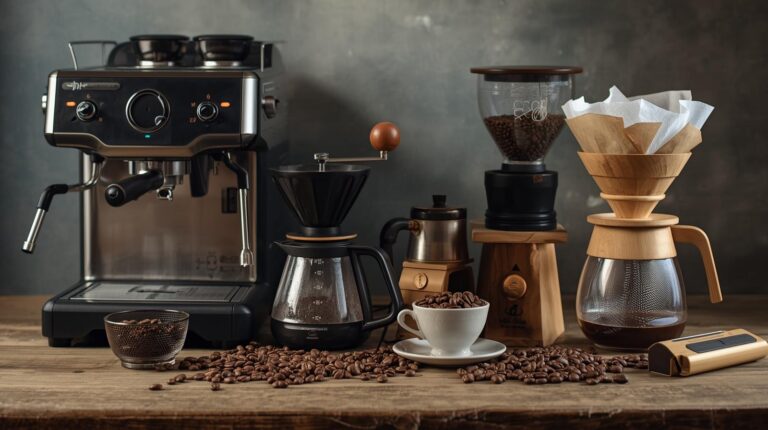
Zero-Waste Coffee & Tea Swaps Worth Using
Hey there, caffeine-dependent realists!
I’m crammed into this tiny apartment. Coffee mugs stacked high like they’re one nudge from a caffeine collapse. My desk is a mess of reusable filters, one notebook labeled “stop buying paper filters every month,” and a kettle that no longer has a pile of disposable tea bags next to it. Muffin the cat is giving me that “you used to throw away 30 tea bags a month and still complain about trash, now you just… reuse one strainer?” smug-but-genuinely-impressed stare while I sip my brew and try not to feel like a zero-waste guru just because my kitchen bin has zero coffee/tea-related trash this week.
For years I thought “eco coffee & tea” meant expensive pour-over setups or $40 stainless steel French presses I’d never clean. I kept buying cheap paper filters, plastic pods, and tea bags with mystery strings and tags because they were fast. Then I realized: the real waste (and money leak) isn’t the fancy gear — it’s the disposables I replaced every single day. Paper filters. Tea bags. Single-serve pods. Those tiny $0.10–$0.50 items add up to $50–$200 every year.
So I stopped chasing “perfect” setups and started testing swaps that are:
- Affordable (under $30 upfront)
- Pay for themselves in 3–12 months
- Actually faster/more convenient long-term
- Easy to clean (because busy people hate extra dishes)
These are the ones that survived the real-life test — they work as well as (or better than) disposables, save money, and cut waste without turning your morning ritual into a chore.
Let’s get into the swaps worth your money and counter space.
1. Reusable Stainless Steel Coffee Filter (Mesh Cone or Basket)
What it replaces Paper coffee filters (drip machines)
Upfront cost $8–$20 (Amazon Basics, Able Brewing, or generic stainless cone)
Monthly savings $3–$6 (20–40 filters/month)
Break-even 2–7 months
Lifespan 10+ years
Why it actually works
- Fits most drip coffee makers (check size: #2, #4, #6)
- Rinse under tap in 5 seconds — no scrubbing
- Better coffee taste (no paper flavor)
- No landfill waste
Real talk I bought a $12 stainless cone filter. Paper filters are gone. Rinse, dry, reuse. My coffee tastes cleaner, and I save ~$4/month.
2. Reusable Metal Tea Strainer / Infuser (Single-Cup or Pot Size)
What it replaces Disposable tea bags (with plastic tags/strings)
Upfront cost $6–$18 (single-cup basket or large pot infuser)
Monthly savings $4–$12 (30–60 tea bags/month)
Break-even 1–5 months
Lifespan 10+ years
Why it actually works
- Loose-leaf tea is cheaper per cup than bagged
- Steeps stronger, more flavorful
- Rinse in seconds — no mess
- Many have chain + hook so it doesn’t sink
Real talk I use a $9 single-cup infuser daily. Tea bags? History. Loose-leaf costs half as much and tastes better. I now drink 2–3 cups/day guilt-free.
3. French Press or Stovetop Percolator (Glass/Stainless)
What it replaces Pod machines (Keurig/Nespresso) or paper-filter drip with pods
Upfront cost $20–$45 (Bodum 3-cup French press or cheap stainless percolator)
Monthly savings $10–$30 (pods cost $0.60–$1 each)
Break-even 1–4 months
Lifespan 5–10+ years
Why it actually works
- No pods, no plastic waste
- Makes 3–8 cups at once (perfect for busy mornings)
- Easy to clean (rinse + quick scrub)
- Coffee tastes richer
Real talk I bought a $28 Bodum 3-cup French press. Pods are gone. One press = 2–3 morning cups. Cleanup takes 30 seconds.
4. Reusable Cotton Tea Bags (Fill-Your-Own)
What it replaces Disposable tea bags (especially for herbal/loose blends)
Upfront cost $8–$15 for 4–6 reusable muslin/cotton bags
Monthly savings $3–$8 (30–60 bags/month)
Break-even 2–5 months
Lifespan 1–3 years
Why it actually works
- Fill with your favorite loose tea
- Drawstring closes tight
- Wash and reuse (hand or gentle cycle)
- Cheap and compact
Real talk I use 4 cotton bags for evening herbal teas. Disposable bags? Gone. I buy loose chamomile/lavender in bulk — cheaper and fresher.
5. Compostable Coffee Filters (If You Must Use Paper)
What it replaces Regular bleached paper filters
Upfront cost $6–$12 for 100–200 filters
Monthly savings $0 (but zero plastic/bleach)
Break-even N/A (environmental choice)
Lifespan Single-use, but compostable
Why it’s worth it
- Unbleached, no chlorine
- Compostable after use
- Good compromise if stainless doesn’t fit your machine
Real talk I keep a pack for backup. Still 90% stainless, but nice to have when friends visit.
Quick Summary Table (Beginner-Friendly Payback)
| Swap | Upfront Cost | Monthly Savings | Break-even | Weekly Trash Cut | Lifespan |
|---|---|---|---|---|---|
| Stainless coffee filter | $8–$20 | $3–$6 | 2–7 mo | 5–10 filters | 10+ years |
| Metal tea infuser/strainer | $6–$18 | $4–$12 | 1–5 mo | 5–15 bags | 10+ years |
| French press / percolator | $20–$45 | $10–$30 | 1–4 mo | 10–30 pods | 5–10+ years |
| Reusable cotton tea bags (4–6) | $8–$15 | $3–$8 | 2–5 mo | 5–15 bags | 1–3 years |
| Compostable paper filters | $6–$12 | $0 (eco choice) | N/A | 5–10 filters | Single-use |
Total realistic startup cost: $30–$80 Monthly savings after 6 months: $20–$60+ Time added: Almost none — just different tools
My Current Setup (Total Upfront ~$65)
- 1 stainless steel cone filter ($12)
- 1 single-cup metal tea infuser ($9)
- 1 Bodum 3-cup French press ($28)
- 6 reusable cotton tea bags ($16)
Weekly coffee/tea trash: basically zero Old plastic pods/filters/tea bags? History. Morning routine faster and cleaner.
My Take: Wins, Woes, Tips
Wins
- Coffee & tea trash eliminated
- Monthly spend down ~$20–$50
- Better taste (no paper/pod flavor)
Woes
- Initial cost $30–$80 (pays back fast)
- Learning curve for amounts (tiny soap is enough)
- Muffin knocks infusers into the sink daily
Tips
- Start with just the stainless coffee filter — biggest instant win
- Buy one tea infuser to test — you’ll never go back to bags
- Keep everything by the kettle — automatic habit
- Joy rule: every $10 saved → $3 into “treat” fund
- Forgive imperfect days — progress, not perfection
Favorite starter swap? Stainless steel coffee filter — highest trash reduction, lowest effort, best daily feel.
Wallet lighter — planet lighter — mornings calmer.
The Real Bit
You don’t need a $200 pour-over setup to cut coffee/tea waste.
When you replace the disposables you use every day with reusables that actually work better, the savings (and trash reduction) compound quietly every morning.
These beginner swaps can realistically save $200–$600/year on coffee/tea supplies alone — my bank account (and trash bin) both confirm it.
Twists, Flops, Muffin Madness
Wild ride. Curry spill? Muffin knocked the tea infuser into the mess. Laughed and used a cotton bag instead — because I now have backups!
Flops: Bought a $15 “bamboo” filter holder that broke in 2 months. Switched to plain stainless — night and day.
Wins: Shared the loose-leaf habit with my niece — she now brags about her “magic metal ball” that lasts forever.
Muffin’s infuser nap added chaos and cuddles — zero-waste buddy?
Aftermath: Worth It?
Months on, coffee/tea trash is basically zero. Monthly supply spend down ~$15–$40. No daily extra effort. Just different tools that became automatic.
Not perfect — still buy occasional pods for guests — but progress is real and sustainable.
Low startup cost, swap-first approach. Beats the guilt of endless tea bag tags and pod wrappers.
Want to reduce coffee/tea waste without breaking the bank? Try it. Start with a stainless steel coffee filter or metal tea infuser.
What’s the first eco-coffee/tea swap you want to try? Or which one surprised you most? Drop your thoughts below — I’m genuinely curious! 😊
Let’s keep the mornings cleaner — and the trash lighter — one reusable at a time!