How to Start Composting Without a Garden
Hey there, garden-less composter!
I’m crammed into this tiny apartment. Coffee mugs stacked high like they’re one nudge from a caffeine collapse. My desk is a mess of a little countertop bin and a sealed bucket, one notebook labeled “stop pretending I need a backyard to compost,” and a kitchen that no longer smells like old vegetables even though I save almost every food scrap.
Muffin the cat is giving me that “you used to throw away every banana peel and feel guilty about it, now you just… have a tiny bin under the sink that doesn’t stink?” smug-but-genuinely-relieved stare while I sip my brew and try not to feel like a composting hero just because my trash bag is half the size it used to be.
You don’t need a garden, yard, or even outdoor space to start composting. In 2026 there are several apartment-friendly methods that are easy, low-odor (or odor-free), and actually work — even if you live in a 30 m² studio with no balcony.
Here’s how to start composting without a garden — ranked from easiest/low-effort to more involved (but still small-space friendly).
1. Bokashi Fermentation (The Apartment Starter King – Most Recommended for Beginners)
What it is A sealed bucket system that ferments (pickles) food scraps with Bokashi bran instead of rotting them. No smell, no turning, no worms.
How to start
- Buy a 10–20 L Bokashi bin with spigot (€30–€50)
- Get Bokashi bran (€10–€15/bag, lasts 2–4 months)
- Add food scraps + sprinkle bran + press down to remove air
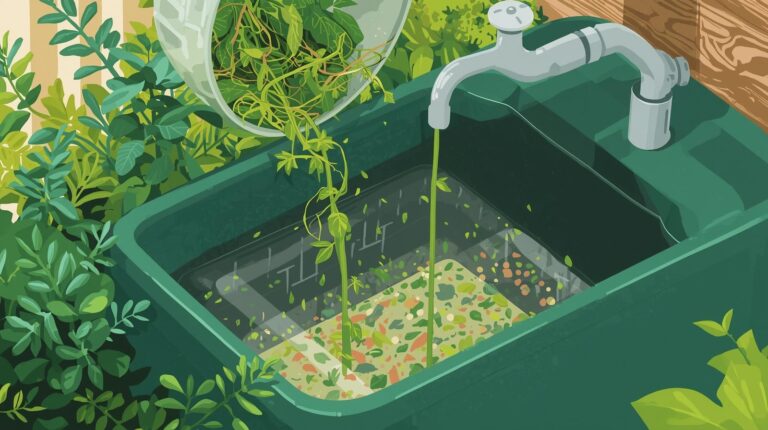
- Drain liquid every 2–3 days (dilute 1:100 for plants or pour down drain)
- After 2–4 weeks: pre-compost is ready — bury it in a park, add to community bin, or use in pots (dig a hole, mix with soil)
Why it works without a garden
- Completely odor-free when used correctly (even with meat, fish, dairy)
- Takes almost any food waste
- Small footprint — fits under sink or on shelf
- Liquid fertilizer every few days (great for houseplants)
Real talk I started with a €35 Bokashi bin. Zero smell, zero flies — even with garlic and fish scraps. Liquid goes on my indoor herbs — they’re thriving. Pre-compost? I bury it in nearby park soil or give to a friend with a garden.
2. Countertop Collection + Community Drop-Off (Zero Home Composting Needed)
What it is Collect scraps in a sealed bin → drop off weekly at a community compost point (many cities have free drop-offs).
How to start
- Find your nearest drop-off (apps like ShareWaste, local council sites, or community gardens)
- Buy a sealed countertop bin with charcoal filter (€25–€60)
- Collect scraps → drop off weekly/bi-weekly
Best bins
- Bamboozle or similar bamboo + charcoal – €25–€40
- Stainless steel with charcoal (Epica, Simplehuman) – €30–€60
Why it works without a garden
- No composting knowledge required
- No smell if you use a charcoal filter
- Many cities now have free or cheap drop-off points
Real talk I have a drop-off 10 minutes away. Sealed stainless bin on counter — no odor. Drop off weekly — zero home maintenance.
3. Electric Countertop Food Recycler / Dryer (The Luxury No-Smell Option)
What it is Countertop appliance that dries + grinds scraps into dry, odorless “soil” in 4–8 hours.
Best options (2026)
- Lomi – €399–€499 (often €349 on sale)
- Reencle Prime – €299–€399
- Vitamix FoodCycler – €279–€399
Why it works without a garden
- Zero odor during process
- No emptying bins every few days
- Small footprint (countertop size)
Real talk I borrowed a Lomi for a month. Amazing for coffee grounds, peels, eggshells — no smell at all. But €400 is steep — great if you hate emptying bins and have the budget.
Quick Comparison Table (2026 Reality)
| Method | Upfront Cost | Ongoing Cost | Odor Level | Space Needed | Learning Curve | Best For |
|---|---|---|---|---|---|---|
| Bokashi Fermentation | €30–€50 | €2–€5/month | Zero | Under sink | Low | Most beginners |
| Countertop + Community Drop-Off | €25–€60 | €0 | Very low | Counter | Very low | Zero effort |
| Electric Food Recycler | €279–€499 | €1–€2/month | Zero | Counter | Zero | Luxury/no smell |
My Current Small-Apartment Setup (Total Upfront ~€45)
- Bokashi bin (€35)
- Stainless steel charcoal-filter caddy (€10 IKEA hack)
- Reused jar for Bokashi liquid fertilizer
Weekly kitchen waste: almost zero Trash bag half the size No fruit flies
My Take: Wins, Woes, Tips
Wins Trash bin half-empty most weeks Free liquid fertilizer for indoor plants No more guilt over food scraps
Woes Initial smell learning curve (Bokashi bran fixes it) Takes space under sink Muffin knocks bin daily
Tips Start with Bokashi bin — easiest odor-free win Use countertop caddy for daily collection Empty Bokashi liquid every 2–3 days Joy rule: every €20 saved on trash bags → €5 into “treat” fund Forgive mistakes — progress, not perfection
Favorite small-space composting method? Bokashi — zero smell, takes everything, cheapest real solution.
Wallet lighter — planet lighter — kitchen calmer.
The Real Bit
You don’t need a garden or outdoor space to start composting.
When you choose a system that fits your life (Bokashi for no smell, drop-off for zero effort, electric for convenience), you reduce kitchen waste by 30–50%, save on trash bags, and get free fertilizer — my trash bin (and indoor plants) both prove it.
Twists, Flops, Muffin Madness
Wild ride. Bokashi spill? Muffin knocked the bin into the mess. Laughed, cleaned it together. Still composting.
Flops: Tried worm bin — fruit flies everywhere. Switched to Bokashi — night and day.
Wins: Shared Bokashi habit with my niece — she now composts in her dorm kitchen and calls it “magic dirt juice.”
Muffin’s bin nap added chaos and cuddles — composting buddy?
Aftermath: Worth It?
Months on, kitchen trash is half the size. Monthly trash bag spend down ~€10–€20. No daily extra effort. Just smarter tools that became automatic.
Not perfect — still have off days — but progress is real and sustainable.
Low startup cost, simplicity-first approach. Beats the guilt of overflowing trash and wasted food.
Want to start composting without a garden? Try it. Start with Bokashi bin (€30–€50).
What’s your favorite small-space composting method? Or which one are you most curious about? Drop your thoughts below — I’m all ears!
Let’s keep the kitchen greener — and the trash lighter — one small bin at a time!